
 Fibre’s good for us, and we should aim for at least 30g a day. But getting that amount can be tricky. Breakfast cereals, especially those high...
Background
Culturally competent early mental health interventions for ethnic minorities (EMs) with no formal diagnoses are needed.
ObjectivesTo determine whether 8–12 weeks culturally adapted counselling (CAC) is better than waiting (waitlist (WL) group) to reduce depressive and anxiety symptoms and stress...
Background
Existing research on refugee mental health is heavily skewed towards refugees in high-income countries, even though most refugees (83%) are hosted in low-income and middle-income countries. This problem is further compounded by the unrepresentativeness of samples, small sample sizes...
 A Natural Haven of Relaxation and Vitality The pursuit of well-being has taken a new turn in the UK, whereas it is during a “wellness retreat” trip or...
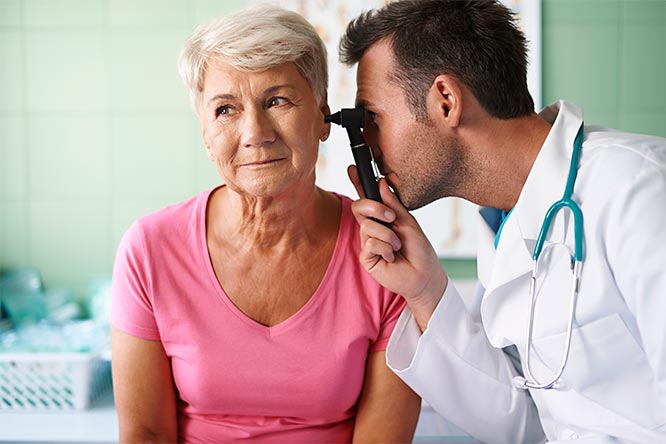 If you’re finding that sounds around you are gradually becoming faint or muffled, it may be easy to jump to the conclusion that age-related hearing loss...
 When you’re on a health-conscious journey, it’s not just the food on your plate that counts, but also the drinks you pour into your glass. Maybe...
Losing or gaining weight is one of the most challenging things anyone can ever undertake. Although a lot of people try to oversimplify it into what you eat and how often you exercise, staying healthy is more complex. Restricting...
Background
Worldwide uptake of telepsychiatry accelerated during the COVID-19 pandemic.
ObjectiveTo conduct an evaluation of the opinions, preferences and attitudes to telepsychiatry from service users, carers and clinicians in order to understand how telepsychiatry can be best used in the peri/post-COVID-19...
Background
People who live alone experience greater levels of mental illness; however, it is unclear whether the COVID-19 pandemic had a disproportionately negative impact on this demographic.
ObjectiveTo describe the mental health gap between those who live alone and with others...
Arias de la Torre et al argue in ‘Population health surveys and screening tools for depressive disorders: aims and uses' that population-based studies like the European Health Interview Survey (EHIS) are primarily intended to identify and compare vulnerable groups...