
Arias de la Torre et al argue in ‘Population health surveys and screening tools for depressive disorders: aims and uses' that population-based studies like the European Health Interview Survey (EHIS) are primarily intended to identify and compare vulnerable groups...
Read More
Background
Little is known about the role of air pollution in how people with dementia use mental health services.
ObjectiveWe examined longitudinal associations between air pollution exposure and mental health service use in people with dementia.
MethodsIn 5024 people aged 65 years...
 The lives of millions of people spiral out of control because of alcohol. Alcohol addiction is a...
Background
The components of care delivered by Early Intervention in Psychosis (EIP) services vary, but the impact on patient experience is unknown.
ObjectiveTo investigate associations between components of care provided by EIP services in England and patient-reported outcomes.
Methods2374 patients from EIP...
Question
Refugees and asylum seekers are at high risk of mental disorders due to various stressors before, during and after forceful displacement. The WHO Self-Help Plus (SH+) intervention was developed to manage psychological distress and a broad range of mental...
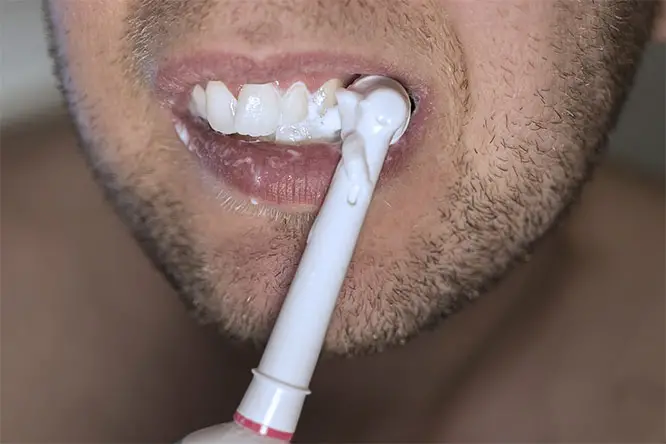 Almost 40% of the UK public are “unhappy” with the appearance of their teeth, while 48% are “fairly happy”, the 2022 Great British Oral Health Report reveals. Stains...
Background
Attention-deficit and hyperactivity disorder (ADHD) is frequently diagnosed in patients with substance use disorders (SUDs), including opioids. There remains concern about the safety and efficacy of prescription amphetamines (PAs) and their impact on effectiveness of opioid use disorder (OUD)...
 It’s no doubt you’ve heard about “wellness retreats” over the past few years. Their popularity has practically skyrocketed, with numerous travelers choosing them over more traditional...
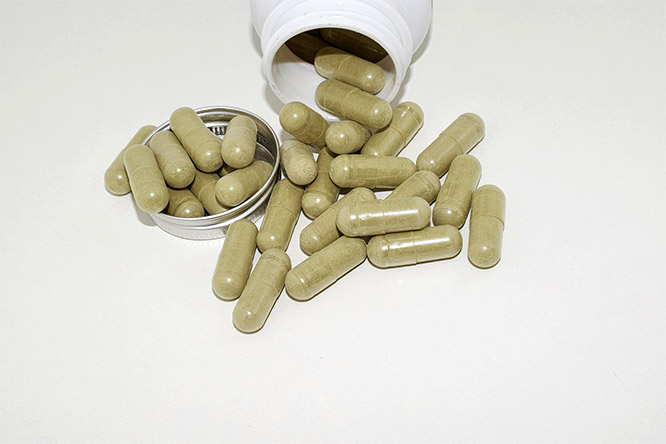 When someone begins their weight loss journey, they are willing to explore all the options. Aside from the most obvious two changes to make in what...
Background
Long-standing ethnic inequalities in access and mental healthcare were worsened by the COVID-19 pandemic.
ObjectivesStakeholders coproduced local and national implementation plans to improve mental healthcare for people from minority ethnic groups.
MethodsExperience-based codesign conducted in four areas covered by National Health...